
Roofing in Geneva, IL
Geneva has one of the largest and best-preserved historic districts in this part of Illinois, the Kane County seat sitting on the Fox with Third Street running through the middle of it. It is a lovely town to work in and a demanding one, because a meaningful share of the housing is old enough that the roofing decisions are conservation decisions.
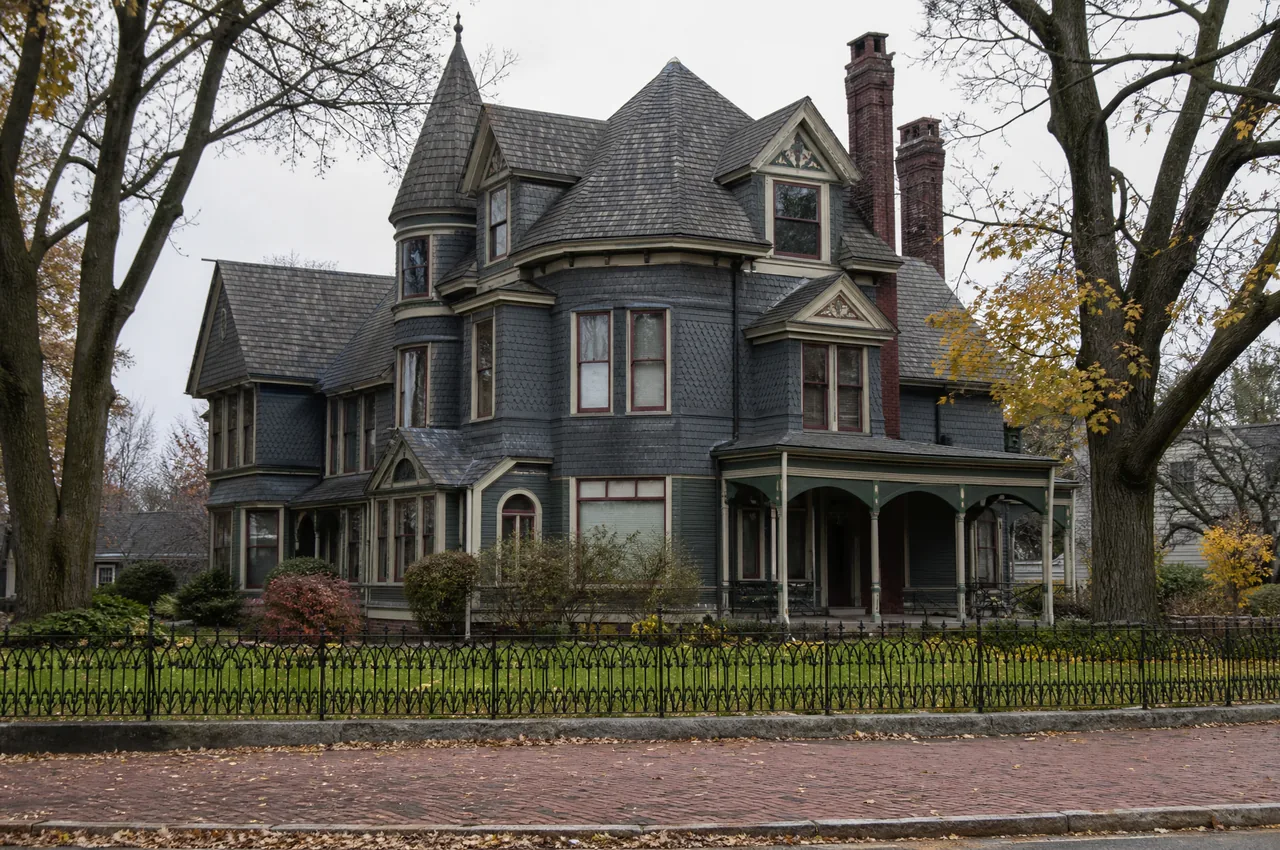
Historic District Work Runs on a Different Clock
If your house sits inside Geneva's historic district, the roof is not just a roofing job. Material and appearance can be subject to review, the permit route is longer than a standard residential re-roof, and choosing something the review will not accept means starting again with an unhappy timeline.
The practical advice is boring and it is the advice: start earlier than you think you need to. A standard suburban re-roof can go from decision to installed in a fortnight. A historic district roof should be planned a season ahead, particularly if slate or cedar is involved and particularly if the material has to be sourced rather than pulled off a rack.
This is also true one town over. Aurora requires additional plan review for anything in its own Historic District and its FoxWalk District, and the same principle applies here, though Geneva runs its own process. If a contractor tells you it is all the same as any other roof, they have not done one.
Steep Pitches and Real Valleys
The older Geneva stock has the pitch that came with the era: steep, with dormers, turrets on a few, and valleys that carry serious water volume. Steep roofs need staging rather than ladders, which costs more and takes longer, and any quote that has not accounted for access on a 12:12 roof is going to change once the crew arrives.
Valleys on these houses are where the money is, in both senses. Open metal valleys done properly last decades. Closed-cut valleys done badly on a steep roof funnel water sideways under the courses, and that is the leak that appears halfway down an interior wall two rooms from where it entered.
We also see a lot of chimney work here, because the older masonry chimneys have mortar joints that have eroded past the point where counterflashing can be simply re-sealed. That is a re-let into fresh reglet rather than a bead of caulk, and it is the single most common repair on the older streets.
What Actually Goes Back On
Where slate is sound, repair it. Where it genuinely is not, synthetic slate has got good enough that from the street the difference is not visible, and it weighs roughly 250 pounds per square against natural slate's 800 to 1,500. On a house whose framing was sized for slate either works. On a house that has been re-roofed in asphalt at some point in the last century, the weight difference is the whole conversation.
For cedar, Class A fire-rated treated shakes where somebody wants genuine wood, composite shake where they want the look without the maintenance and the insurance conversation. And for the many Geneva houses that are simply nice older homes rather than landmarks, a good architectural asphalt in a weathered wood or slate-toned blend does the job honourably and costs a quarter as much.
Older Geneva home and not sure what your roof needs? The inspection is free and it includes the attic, which is where the answers are.
Get My Free Roof Estimate or call (630) 597-1921
Free written estimate · A person calls you back, not a robot · Licensed & insured, verify us before you sign
What We Do in Geneva
Everything we do is available in Geneva. Historic work needs more lead time, so start the conversation early.
Geneva Roofing Questions
Can you work on houses in the Geneva historic district?
Yes. Expect a longer permit and review timeline than a standard re-roof, and expect the material choice to matter. Plan a season ahead rather than a fortnight.
Is synthetic slate acceptable on an older home?
Often, and it is worth asking the review body early rather than assuming either way. It is convincing from the street, weighs a fraction of natural slate and costs substantially less.
Why is a steep roof more expensive?
Access and speed. Above about 8:12 the crew needs staging and works considerably slower, and material handling is harder. It is a real cost rather than a surcharge, and any quote that has not accounted for it will change on the day.