
Roofing in Plainfield, IL
Plainfield is the southern edge of our range, Will County, sitting on the DuPage River where Route 59 crosses Route 126. It is also a town that takes severe weather seriously for reasons everybody who lives there already knows.
A Town That Remembers What Weather Can Do
On 28 August 1990 an F5 tornado went through Plainfield with no warning issued. It remains the only F5 recorded in the United States in the month of August and the deadliest August tornado in the country's history. Twenty-nine people died. It levelled a high school and a subdivision and it is genuinely the defining event in the town's modern history.
We mention it because it is the reason Plainfield homeowners take storm damage seriously in a way some towns do not, and that is entirely rational. Severe weather in this corridor is not theoretical. The August 2025 line put gusts likely over 70 mph across this part of northern Illinois, and the wider area has logged around 27 confirmed severe weather events since June 2024.
What we would add is the counterweight: taking storms seriously should not mean signing with whoever knocks first. Illinois has ranked first in the nation for hail damage fraud, and towns with weather anxiety and newer housing get door-knocked hardest.
2000s Subdivisions Hitting Twenty
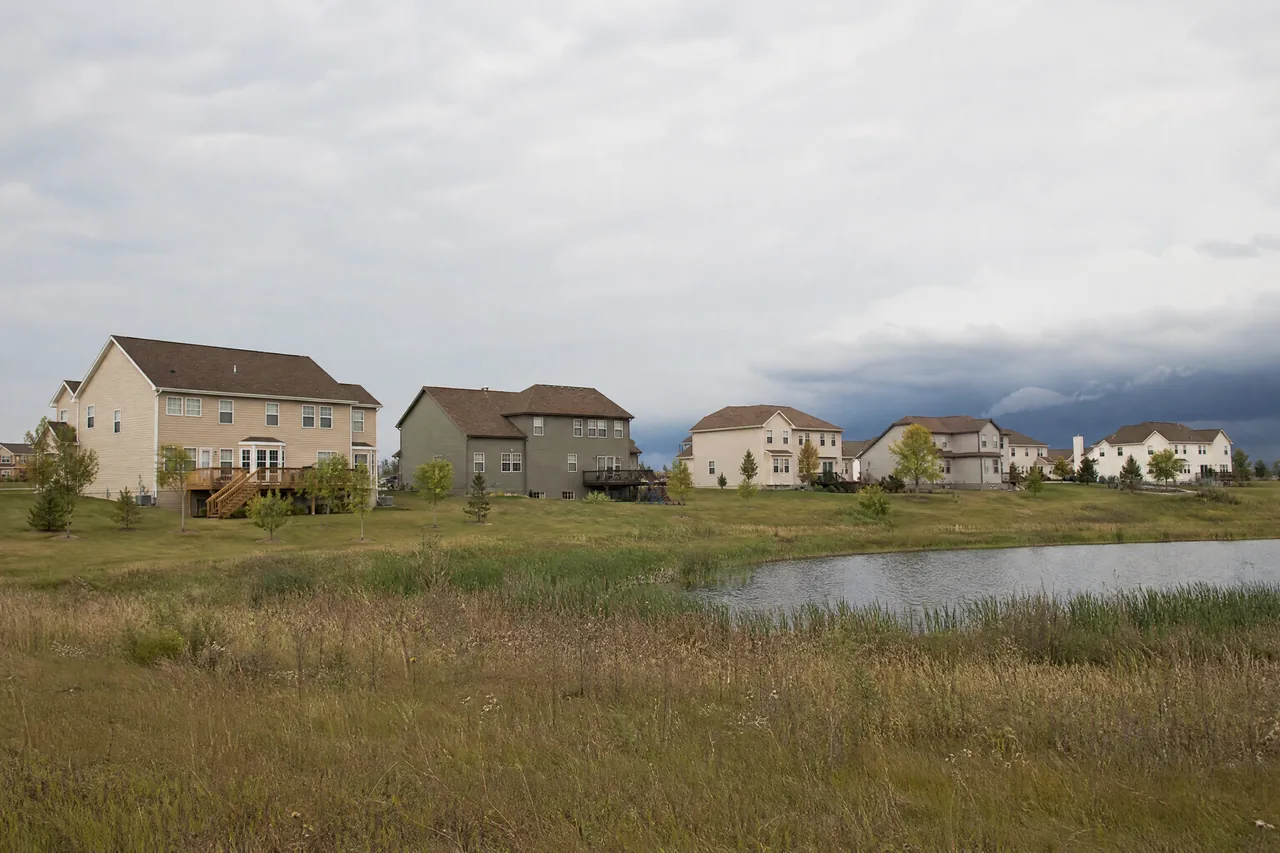
Plainfield's population went from a village to well over forty thousand in about twenty years, with most of that growth arriving between 1998 and 2010. The subdivisions off 127th, along Route 59 and out toward the river went up fast with builder-grade architectural shingle.
Twenty to twenty-five years is what that shingle gives you in this climate, and the earliest of those neighbourhoods are now squarely in that window. So Plainfield is at the stage Montgomery is at, whole streets coming due together, with the same two consequences: a lot of legitimate replacement work, and a lot of contractors who know that.
The thing worth doing is having somebody look before you accept a replacement recommendation. A roof of that vintage is often a component failure rather than a whole-roof failure, and the difference between a $700 repair and a $14,000 replacement is one honest inspection.
Exposure, Drainage and the DuPage River
Plainfield sits fairly open, and the newer subdivisions in particular have limited mature canopy, so wind loading on rake edges and ridges is a real consideration here in a way it is not in an older sheltered street. Manufactured starter course at the rakes rather than the upside-down-shingle shortcut, and attention to nailing zone.
The other local factor is drainage. Heavy clay through this corridor means water dumped at the foundation stays there, so downspout discharge distance matters more than most people think. Four to six feet minimum, further on clay, extensions or buried drains either way. It is the cheapest foundation protection that exists and it gets skipped constantly. See gutters, soffit and fascia.
Storm crossed Plainfield and somebody knocked on your door? Get an independent look before you sign anything.
Get My Free Roof Estimate or call (630) 597-1921
Free written estimate · A person calls you back, not a robot · Licensed & insured, verify us before you sign
What We Do in Plainfield
We cover Plainfield across the board, though it is the furthest south we go so lead times run slightly longer than the Fox Valley towns.
Plainfield Roofing Questions
Do you cover all of Plainfield?
Yes, though it is the southern edge of our range, so scheduled work here sometimes runs a few days behind the Fox Valley towns. Emergencies we still come out for.
My subdivision is from 2004. Is my roof due?
Probably in the window, not necessarily due. Twenty to twenty-five years is the range for architectural shingle here and ventilation decides where in that range you land. Get it looked at rather than assuming either way.
Is hail damage in Plainfield common?
Common enough that it is worth checking after any significant storm. The reliable ground-level test is your soft metals: dents on gutter faces, downspouts and the AC condenser fins mean the hail was hard enough to bruise shingles.